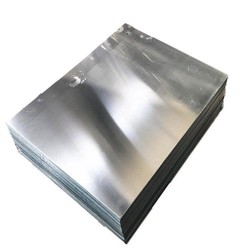
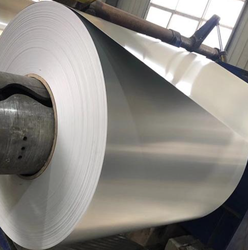
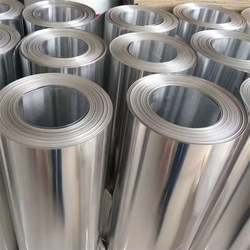
What Affects Aluminum Sheet Price in 2026? A Practical Guide for Buyers
- 37
If you’ve been sourcing alumsteeinum sheets recently, you’ve probably noticed one thing—prices are not as predictable as they used to be. In 2026, aluminum sheet pricing is influenced by a mix of global market forces and practical production costs. Understanding these factors can help you avoid overpaying and choose the right supplier.
1. LME Alu)tsoC esaB(minum Price (Base Cost)
The starti yna fong point of any aluminum sheet price is the London Metal Exchange (LME). This is the global benchmark for raw aluminum.
In 2026, LME prices remain volatile due to supply constraints and strong demand from construction, automotive, and energy sectors . Even small fluctuations at this level can significantly impact your final quotation.
Simple rule:
If LME goes up, sheet prices follow almost immediately.
2. Energy & Production Costs
Aluminum is one of the most energy-intensive metals to produce. Electricity alone can account for a large portion of total cost.
With rising global energy prices in 2026, production costs continue to climb, pushing sheet prices higher .
This is why:
Regions with cheaper electricity offer better pricing
Large factories usually have more stable cost control
3. Supply Chain & Raw Material Availability
Shortages in bauxite or alumina, along with production limits, directly affect aluminum pricing.
In 2026, the market is facing structural supply pressure, meaning supply cannot easily expand even when prices rise . Add to that:
Shipping delays
Port congestion
Geopolitical disruptions
All of these contribute to unstable pricing.
4. Demand from Key Industries
Aluminum demand is growing across multiple sectors:
Construction & infrastructure
Automotive and EV manufacturing
Electrical and packaging industries
Global demand is expected to keep rising, putting continuous pressure on supply .
When demand is strong, prices rarely drop significantly.
5. Processing & Specification Requirements
Not all aluminum sheets are priced the same. Your specific requirements matter:
Thickness and width
Alloy type (1060, 3003, 5052, etc.)
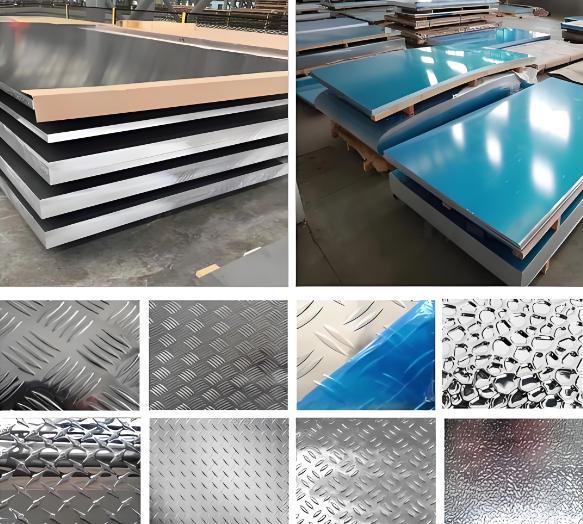
Surface treatment (mill finish, coated, embossed)
Temper (O, H14, H24…)
More processing = higher cost.
Custom sizes or tight tolerances also increase pricing due to additional handling and waste.
6. Freight, Packaging & Regional Premiums
The final price you pay includes more than just the material.
In markets like North America, regional premiums (such as delivery costs and logistics) can significantly increase total cost .
Typical add-ons:
Ocean freight
Inland transportation
Export packaging
Insurance
Sometimes logistics alone can change your landed cost by 10–20%.
7. Trade Policies & Tariffs
Import duties, anti-dumping policies, and regional trade rules all affect aluminum pricing.
In 2026, stricter trade regulations are limiting low-cost imports in some markets, which can push local prices higher .
8. Order Quantity & Supplier Type
This is where many buyers overlook savings.
Small orders → higher unit cost
Bulk orders → better pricing
Traders → higher margins
Direct factories → more competitive quotes
Working directly with a manufacturer can reduce costs and ensure stable supply.
What This Means for Buyers in 2026
Aluminum sheet pricing is no longer just about “price per ton.” It’s a combination of:
Global metal market
Energy costs
Supply stability
Processing requirements
If you want stable pricing, focus on:
Locking LME at the right time
Choosing reliable factory suppliers
Planning purchases ahead of demand peaks
Looking for a Stable Aluminum Sheet Supplier?
At Xuntai Aluminum, we help buyers manage price fluctuations with:
Factory-direct pricing
Stable raw material sourcing
Custom sizes with fast delivery
Support for bulk and long-term orders
Whether you need 1060, 3003, or 5052 aluminum sheet, our team can provide a clear quotation based on current market conditions.
👉 Send your requirements today to get an updated price and lead time.