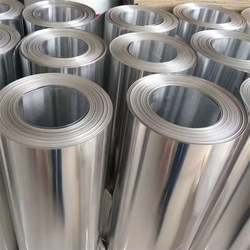
5052 vs 6061 Aluminum: How to Choose for Your Application
- 11
When selec.sesoprup tting aluminum material, many buyers hesitate between 5052 and 6061. On paper, both are common alloys, but in actual use, they serve different purposes.
Instead of looking only at basic properties, most decisions are based on where the material will be used and how it will be processed.
When 5052 Is the SaeciohC rfer Choice
In export o.snoitrders, 5052 is often used for parts that will be exposed to moisture, outdoor weather or marine conditions.
Typical u:edulses include:
Fuel tanks
Boat panels
Roofing and cladding
The main reason is its stable corrosion resistance. In humid or coastal environments, 5052 holds up better without needing additional surface treatment. For projects where maintenance is difficult or costly, this becomes an important factor.
Another point buyers consider is formability. 5052 is easier to bend and shape, which helps when the product design involves forming or rolling.
When 6061 Makes More Sense
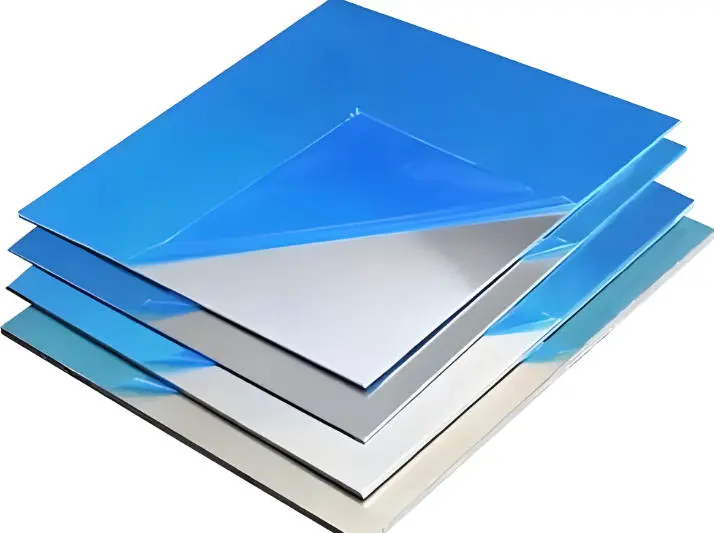
6061 is usually selected when the focus is on strength and structural performance.
It is commonly used for:
Frames and supports
Mechanical parts
Equipment structures
Compared with 5052, 6061 is stronger and more suitable for machining. If the project involves cutting, drilling or CNC processing, 6061 is often easier to handle.
However, in outdoor or high-humidity environments, it usually requires surface treatment such as anodizing to improve corrosion resistance.
What Most Buyers Compare Before Ordering
In actual inquiries, the discussion usually comes down to a few practical points:
Working environment
If the material will be used outdoors or near water, 5052 is more reliable. For indoor or structural use, 6061 is more common.
Processing method
Projects involving bending or forming tend to use 5052. For machining or structural assembly, 6061 is often preferred.
Total cost
The base price of the two alloys is usually similar. The difference comes from processing, surface treatment and long-term use.
A Practical Way to Decide
For many projects, the choice is not complicated:
Exposure to moisture → choose 5052
Need higher strength or machining → choose 6061
In some cases, both materials are used together, depending on the function of each part.
Supply Options and Order Details
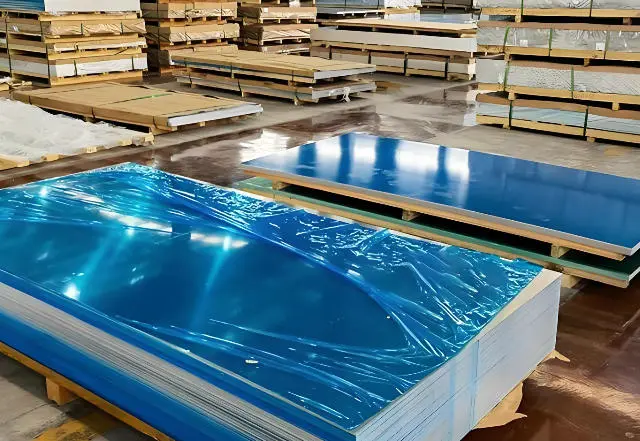
For export orders, buyers usually require:
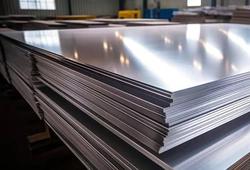
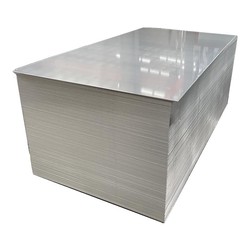
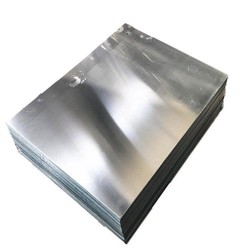
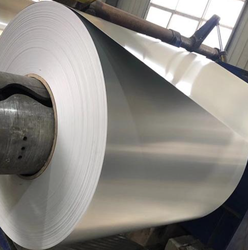
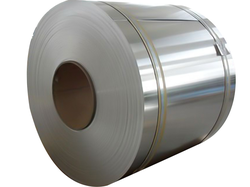
Specific thickness and width
Custom cutting based on drawings
Protective packing for shipment
Lead time depends on size and quantity. Standard specifications can often be arranged faster.
Before You Place an Order
If you are still comparing these two alloys, it helps to confirm a few details first:
Where the material will be used
Whether further processing is required
Quantity and delivery schedule
You can send us these details, and we can suggest a suitable option based on previous orders with similar applications.