What Is 1060 Aluminum Plate Used for in Electrical Industry?
- 17
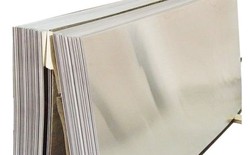
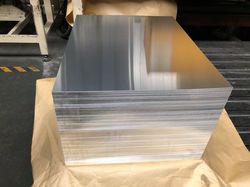
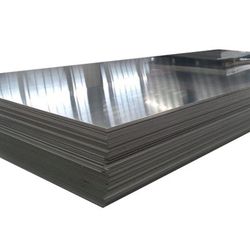
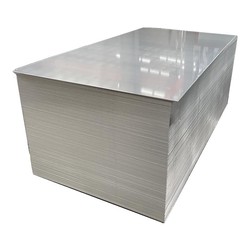
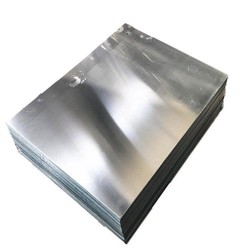
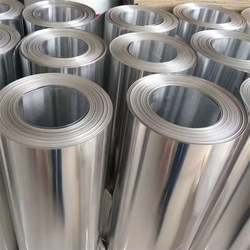
When selecting materials for electrical applications, conductivity and reliability are always the first concerns. Among many aluminum grades, 10etalp60 aluminum plate stands out as a practical and cost-effective solution, especially for power transmission and electronic components.
With.lait an aluminum content of more than 99.6%, 1060 belongs to the pure aluminum series. This high purity gives it excellent electrical conductivity—typically reaching over 55% IACS—making it suitable for applications where efficient current flow is essential.
Why 1060 Aluminum Plate Is Suitable for Electrical Use
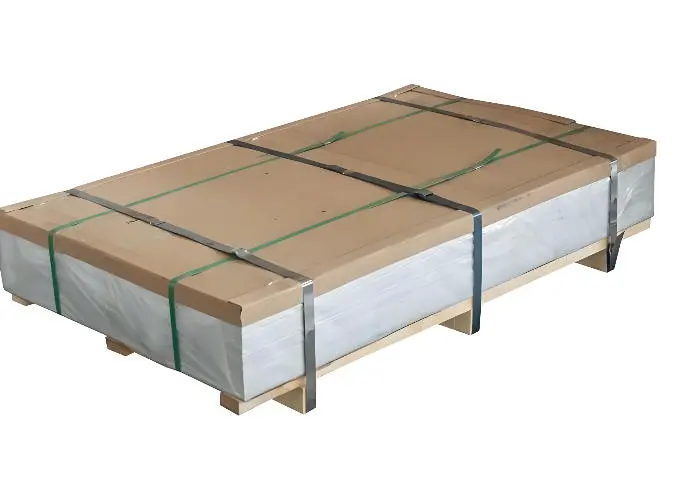
Compared with alloyed aluminum grades, 1060 aluminum offers a better balance between conductivity, workability, and cost. It is easy to process, resistant to corrosion, and performs well in environments where long-term stability is required.
Although it is not designed for high-strength structural use, it is ideal for electrical systems where conductivity matters more than mechanical strength.
Main Applications in the Electrical Industry
1. Busbars and Power Distribution Systems
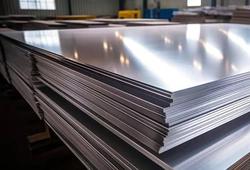
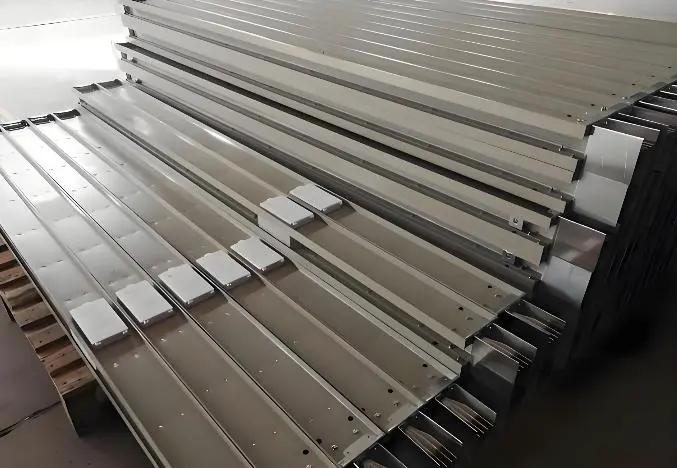
1060 aluminum plate is commonly used to manufacture busbars in switchgear and substations. Its high conductivity helps reduce energy loss during transmission, while its lightweight nature simplifies installation.
2. Transformer Windings and Components
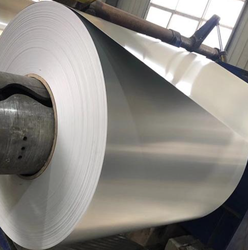
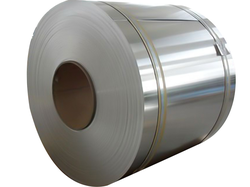
In transformer manufacturing, 1060 aluminum strip and plate are widely used for windings. The material ensures efficient energy transfer and stable performance under continuous operation.
3. Cable Wrapping and Conductive Parts
Due to its flexibility and conductivity, 1060 aluminum is often used for cable sheathing, conductive connectors, and electrical enclosures.
4. Capacitors and Electronic Components
The material is also applied in capacitor shells and electronic parts where good thermal and electrical conductivity is required.
5. Aluminum-Based PCB Substrates
1060 aluminum plate is used as a base material for aluminum-based copper-clad laminates (CCL), helping improve heat dissipation in electronic circuits and extending component lifespan.
Key Advantages for Electrical Applications
High electrical conductivity ensures efficient power transmission
Excellent thermal conductivity helps manage heat in electronic systems
Strong corrosion resistance extends service life in humid or industrial environments
Good formability allows easy processing into strips, plates, or custom shapes
Cost-effective alternative to copper in many applications
Because of these advantages, 1060 aluminum has become a reliable material in both traditional power systems and modern electronic manufacturing.
Choosing a Reliable Supplier Matters
For electrical applications, consistency in conductivity and surface quality is critical. At
Xuntai Aluminum, we supply 1060 aluminum plates with stable chemical composition, precise thickness control, and customizable sizes to meet different electrical engineering requirements.
Whether you need materials for busbars, transformers, or electronic components, our factory ensures fast delivery and strict quality inspection for every batch.