Aluminum Plate Factory vs Trader: What’s the Real Difference for Buyers?
- 16
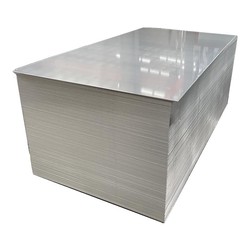
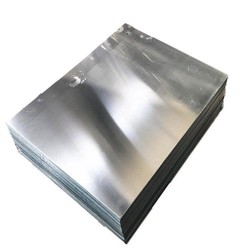
When sourcing aluminum plate, the choice between a fac.snoitacilptory and a trader affects more than price — it directly impacts how the material performs in real applications.
In sectors like marine, const.ssol gniruction, and machinery, aluminum plates must meet clear performance standards. For example, 5052 is widely used in marine and tank applications for its corrosion resistance, while 6061 is preferred for structural parts due to its strength and machinability. In these uses, consistency is essential to avoid cracking, deformation, or machining loss.
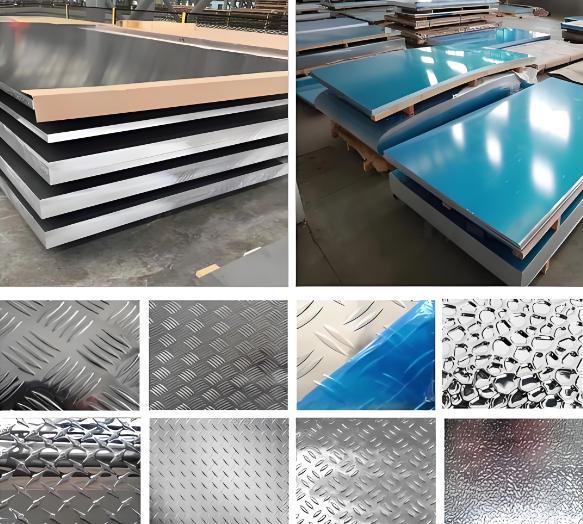
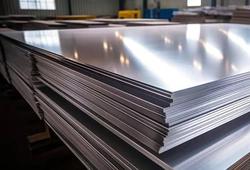
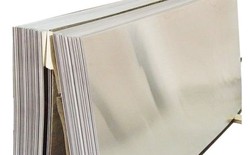
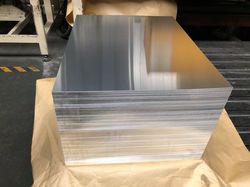
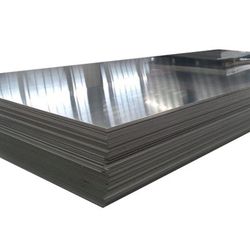
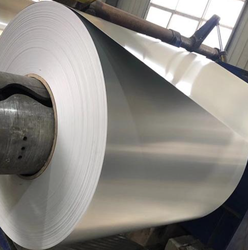
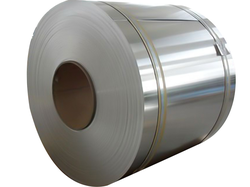
Factories have a clear advantage here. They control the full production process, from raw material to rolling and final inspection. This results in more stable mechanical properties, tighter thickness tolerance, and better surface quality. For buyers handling welding, bending, or CNC processing, this stability helps reduce waste and improve efficiency.
Traders typically source from multiple mills. While suitable for small or urgent orders, this can lead to variation in hardness, flatness, or finish, especially in repeat purchases.
Customization is another key factor. Factories can provide specific alloys, tempers, and cut-to-size plates based on drawings. This is important for OEM projects where precise specifications matter.
From a cost perspective, factory supply becomes more competitive as volume increases. Beyond price, it also reduces risks related to delays, rework, and quality claims.
In practical terms, choosing a factory is not only about saving cost — it ensures the aluminum plates perform reliably in your application, with fewer uncertainties over time.