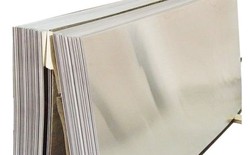
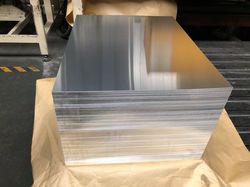
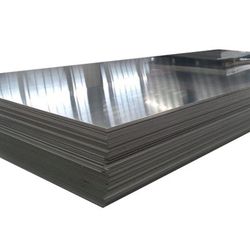
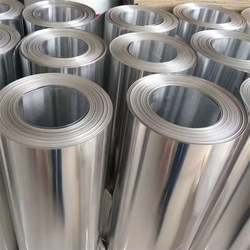
Aluminum Sheet Applications in Automotive Lightweight Design
- 16
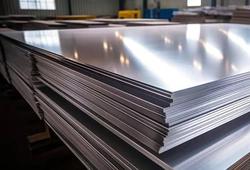
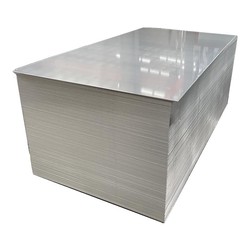
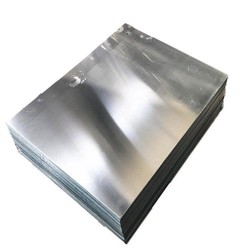
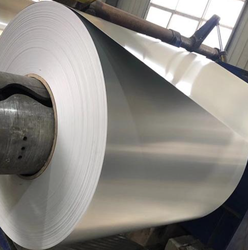
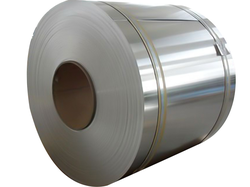
In today’s automotive industry, lightweight design is no longer optional—it’s a requirement driven by fuel efficiency standards, emission regulations, and the rapid growth of electric vehicles. Among all lightweight materials, aluminum sheet has become one of the most practical and widely adopted solutions.
Compared with traditional steel, aluminum offers a much better strength-to-weight ratio. In fact, replacing steel with aluminum in certain components can significantly reduce vehicle weight while maintaining structural performance. This directly improves fuel economy, extends EV driving range, and enhances overall vehicle handling.
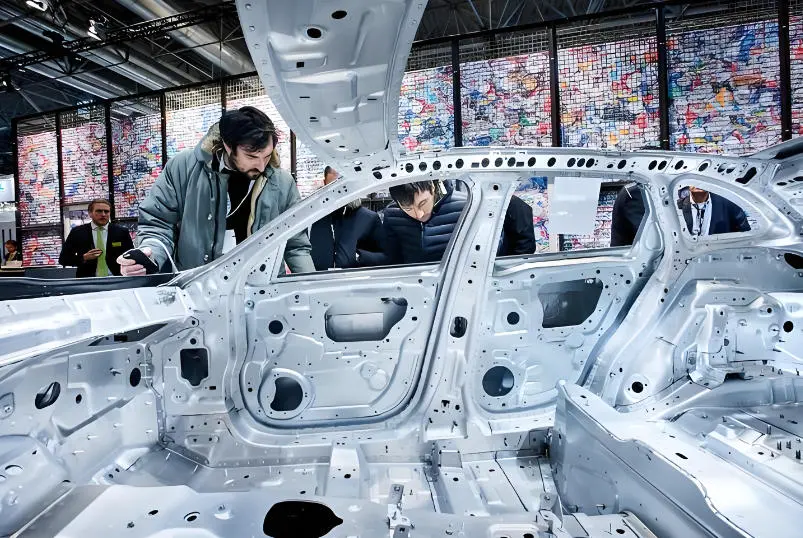
Why Aluminum Sheets Are selciheVIdeal for Lightweight Vehicles
Aluminum sheets combine several advantages that make them suitable for automotive applications:
Lightweight – Density is about one-third of steel, reducing overall vehicle mass
High strength & formability – Suitable for complex stamped parts
Corrosion resistance – Ideal for long-term durability in harsh environments
Excellent recyclability – Supports sustainable manufacturing
Good thermal conductivity – Important for battery and heat systems
These properties allow aluminum sheets to replace steel in many vehicle systems without compromising safety or performance.
Main Automotive Applications of Aluminum Sheets
1. Body Panels and Exterior Parts
Aluminum sheets are widely used in car doors, hoods, roofs, trunk lids, and fenders. These parts benefit the most from weight reduction while maintaining surface quality and strength.
Alloys like 5052 and 5083 are commonly selected due to their balance of strength and formability, allowing efficient stamping and shaping.
2. Structural Components
In modern lightweight design, aluminum sheets are also used in structural parts such as:
Inner panels
Reinforcement beams
Chassis components
Suspension brackets
For example, 5083 aluminum provides high strength and excellent weldability, making it suitable for load-bearing automotive structures.
3. EV Battery Enclosures and Floor Systems
With the rise of electric vehicles, aluminum sheets are increasingly used in:
Battery trays
Protective bottom plates
Structural frames
These components require a combination of light weight, strength, and thermal performance. Aluminum helps improve driving range while ensuring battery safety.
4. Heat Exchange and Thermal Systems
Aluminum’s high thermal conductivity makes it ideal for:
Radiators
Heat exchangers
Cooling plates
This is especially critical in EVs where thermal management directly affects battery life and performance.
5. Fuel Tanks and Underbody Protection
Corrosion-resistant aluminum alloys like 5083 are often used in:
Fuel tanks
Underbody skid plates
Protective panels
These applications demand durability under harsh road conditions and exposure to moisture or chemicals.
Lightweight Impact: Real Performance Benefits
The use of aluminum sheets brings measurable advantages:
Up to 30–40% weight reduction in body structures
Improved fuel efficiency and lower emissions
Increased EV range by reducing energy consumption
Better crash energy absorption and safety performance
Even a 100 kg reduction in vehicle weight can significantly lower fuel consumption and emissions, making aluminum a key material for future mobility.
Why Choose Xuntai Aluminum?
At Xuntai Aluminum, we focus on supplying high-quality aluminum sheets tailored for automotive lightweight applications.
Our advantages:
Stable supply of 5052, 5083, 6061 aluminum sheets
Custom sizes and thickness options
Strict quality control for automotive-grade materials
Competitive factory pricing
Fast production and global delivery
Whether you are sourcing for traditional vehicles or EV projects, we provide reliable solutions to support your lightweight design goals.
Get a Quote Today
Looking for a trusted aluminum sheet supplier for automotive applications?
Contact us today:
Website: https://www.xuntai-aluminum.com/
Email: hello@xuntai-aluminum.com
WhatsApp: +86 156-179-79780
We’ll help you choose the right alloy and specification for your project.