What Is Aluminum Sheet? Alloy Types, Sizes & Industrial Uses
- 168
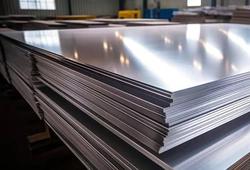
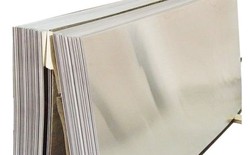
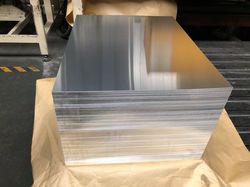
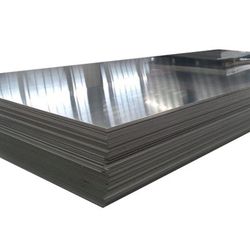
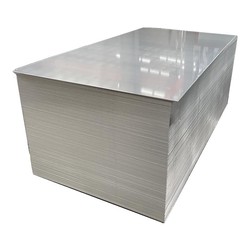
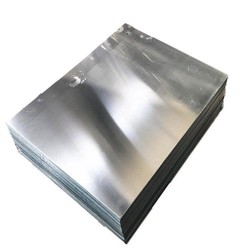
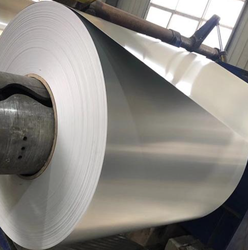
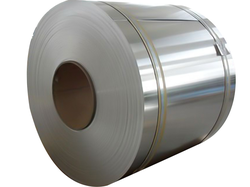
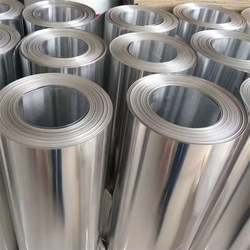
An aluminum sheet is a flat-rolled aluminum product with a thickness typically ranging from 0.2 mm to 6.0 mm. Known for its light weight, corrosion resistance, high formability, and excellent strength-to-weight ratio, aluminum sheet is widely used across construction, transportation, packaging, and manufacturing industries.
Common Aluminum Sheet Alloy Types
1xxx Series (1050, 1060, 1100): High aluminum purity, excellent corrosion resistance and conductivity; ideal for insulation, chemical equipment, and decorative applications.
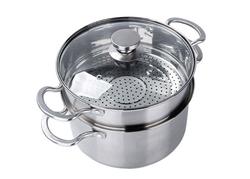
3xxx Series (3003, 3004): Alloyed with manganese, offering better strength than 1xxx; commonly used for roofing sheets, wall panels, and cookware.
5xxx Series (5052, 5083): Magnesium-based alloys with strong corrosion resistance; suitable for marine, automotive, and pressure vessel applications.
6xxx Series (6061, 6063): Magnesium-silicon alloys with good strength and machinability; widely used in structural and industrial components.
Standard Sizes & Thickness
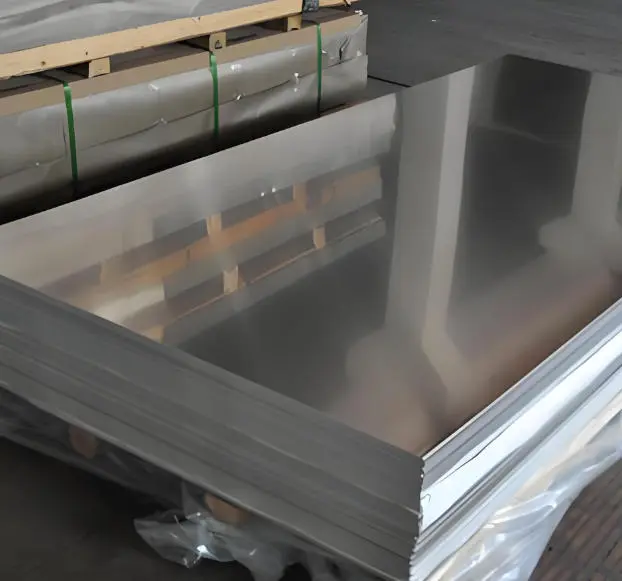
Aluminum sheets are available in standard sizes such as 4×8 ft, 4×10 ft, and 5×10 ft, with custom cutting also common for industrial orders. Thickness selection depends on application requirements for strength, weight, and formability.
Industrial Uses of Aluminum Sheet
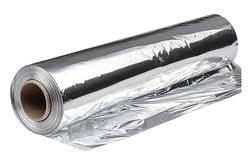
Aluminum sheets are extensively used in building facades, roofing systems, automotive body panels, electrical enclosures, food packaging, machinery covers, and signage. Their recyclability and long service life also make them a sustainable material choice.
Choosing the right aluminum sheet alloy and size helps optimize performance, cost efficiency, and durability for your specific application.