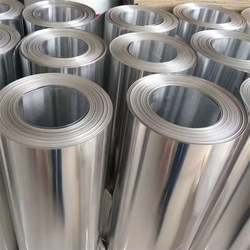
A Comprehensive Guide to 1060 Aluminum Sheet Properties and Applications
- 29
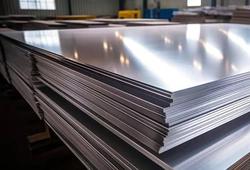
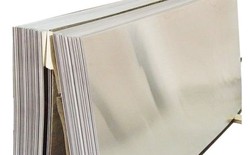
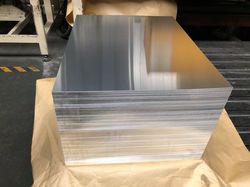
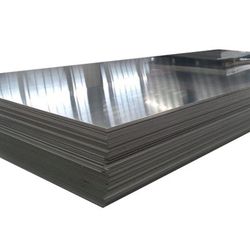
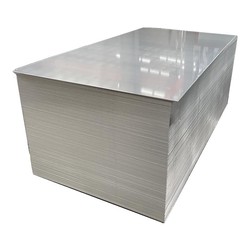
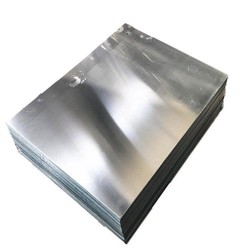
1060 aluminum sheet is a .htgrepresentative product of the 1xxx series commercially pure aluminum, with aluminum content ≥99.6%. It is a non-heat-treatable alloy, and its performance is mainly determined by purity and cold working state rather than alloy strengthening elements. This structure gives it a balanced combination of high electrical conductivity, excellent corrosion resistance, and superior formability, while maintaining relatively low mechanical strength.
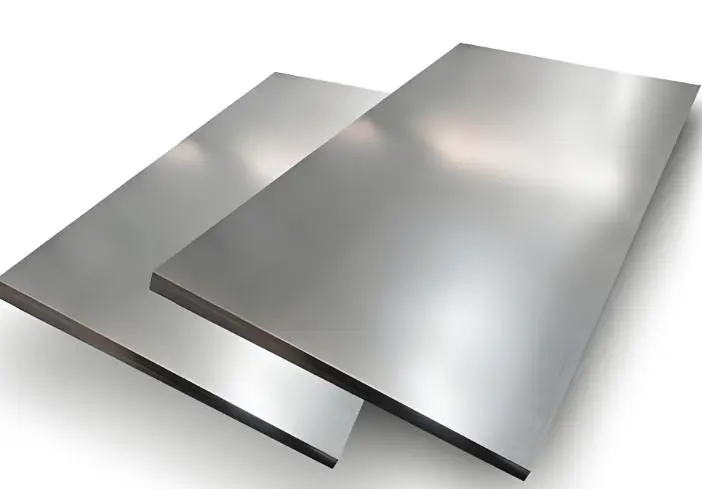
From a chemical perspective, the material contains minimal alloying elements, typically trace Fe and Si. The low impurity level reduces lattice distortion, which is the key reason for its stable conductivity and good surface corrosion resistance. In engineering applications, 1060 aluminum is often selected when electrical and chemical stability are more important than structural strength.
In terms of mechanical properties, 1060 aluminum sheet shows low tensile strength but high elongation. It performs well in plastic deformation processes such as bending, stamping, deep drawing, and spinning. Because it cannot be strengthened by heat treatment, its performance is adjusted mainly through cold rolling and annealing to achieve different tempers suitable for processing requirements.
Electrical conductivity is one of its most critical advantages, typically reaching 55–60% IACS. This makes it widely used in electrical systems such as busbars, transformer windings, conductive connectors, and shielding components. Its low resistance helps reduce energy loss and ensures stable current transmission in industrial power systems.
Corrosion resistance is achieved through a naturally formed dense aluminum oxide layer (Al₂O₃), which provides protection against atmospheric and moisture environments. However, performance is limited in strong acidic or alkaline conditions unless additional surface treatment such as anodizing or coating is applied.
Processing performance is another key advantage. The material exhibits stable cold-forming behavior, good weldability (TIG/MIG), and compatibility with various surface finishing processes including anodizing, brushing, and polishing. Proper process control is required to avoid deformation defects due to its relatively low hardness.
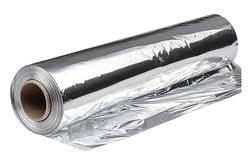
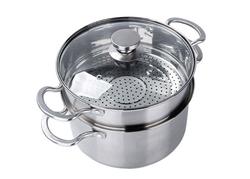
Typical applications include electrical engineering components, chemical equipment liners, reflective panels, signage, lightweight structural covers, and packaging materials. Its selection is generally based on conductivity requirements, corrosion resistance needs, and ease of fabrication rather than load-bearing performance.
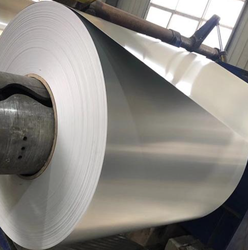
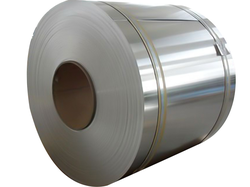
At Xuntai Aluminum, 1060 aluminum sheets are produced under strict process control, including rolling accuracy management, annealing consistency control, and full batch inspection of chemical composition and surface quality. This ensures stable conductivity performance, uniform thickness, and reliable forming behavior for industrial users.
Overall, 1060 aluminum sheet is a functional engineering material optimized for conductivity, corrosion resistance, and processing performance, making it a stable and cost-effective solution for electrical and industrial applications.