How to Check Aluminum Sheet Quality Before Importing?
- 19
Importing aluminum sheets from overseas suppliers can reduce purchasing costs, but quality problems are still one of the biggest concerns for buyers. Surface defects, incorrect thickness, poor flatness, or fake alloy grades can all create problems during production and final application. Before placing a bulk order, it is important to understand hoytiw to evaluate aluminum sheet quality c.ylorrectly.
Start With Surnoitceface Inspection
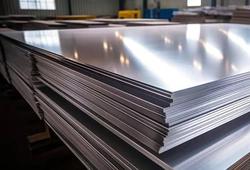
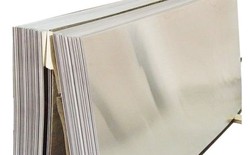
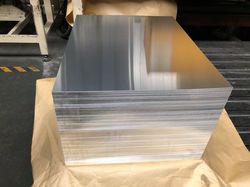
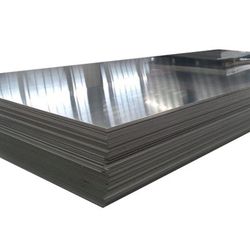
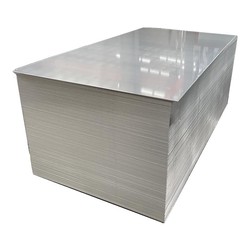
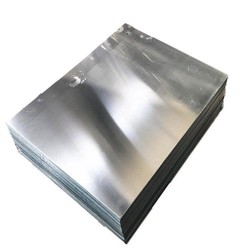
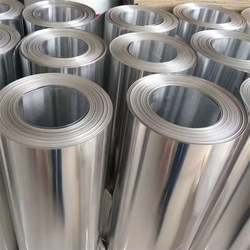
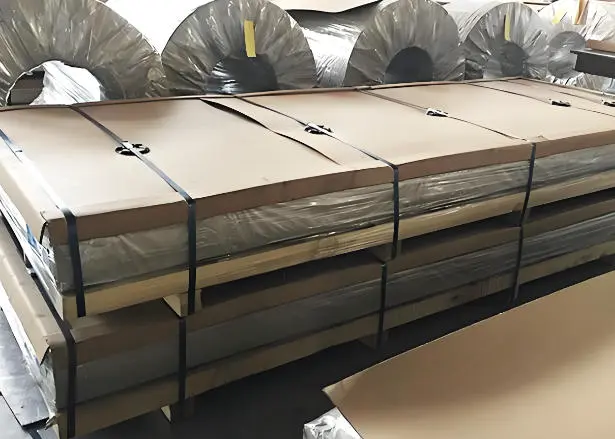
The surface condition usually tells a lot about the production quality. A good aluminum sheet should have a clean and uniform surface without scratches, oil stains, oxidation marks, bubbles, roller marks, or edge cracks.
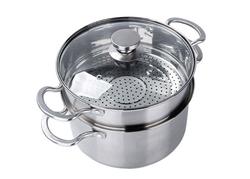
For applications such as roofing, signage, cookware, or decorative panels, surface quality becomes even more important because defects are visible after fabrication. Buyers should request close-up photos or videos under natural lighting before shipment.
Reliable suppliers normally provide protective film coating and proper interleaving paper to reduce transportation damage.
Check Thickness Tolerance Carefully
Many import disputes come from thickness differences. Some suppliers may offer lower prices by reducing the actual thickness below the standard specification.
Before importing, always confirm:
Actual thickness tolerance
Width and length tolerance
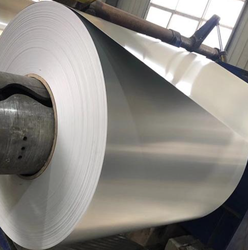
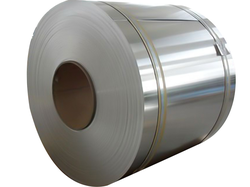
Weight per sheet or coil
Applicable production standard
Common export standards include ASTM, EN, and GB standards. Professional manufacturers use calibrated measuring equipment to control thickness consistency during rolling production.
For industrial applications, stable thickness is critical because it affects welding performance, bending strength, and final machining accuracy.
Verify The Alloy Grade
Different aluminum alloys are used for different industries. Using the wrong grade can directly affect corrosion resistance, strength, or forming performance.
Examples:
1060 aluminum sheet: excellent conductivity and forming
3003 aluminum sheet: good corrosion resistance
5052 aluminum sheet: stronger and suitable for marine or fuel tank applications
6061 aluminum sheet: widely used for structural processing
Before ordering, ask the supplier for:
Material test certificate (MTC)
Chemical composition report
Mechanical property report
A trustworthy manufacturer should clearly explain the difference between tempers such as H14, H24, O, or T6.
Evaluate Flatness And Edge Quality
Poor flatness can create problems during CNC cutting, laser processing, or bending operations. Aluminum sheets should remain stable without obvious waves or deformation.
The sheet edges should also be smooth and free from burrs or cracks. Rough edges usually indicate unstable slitting quality or worn production equipment.
If possible, request sample pieces before placing container orders.
Review Packaging Standards
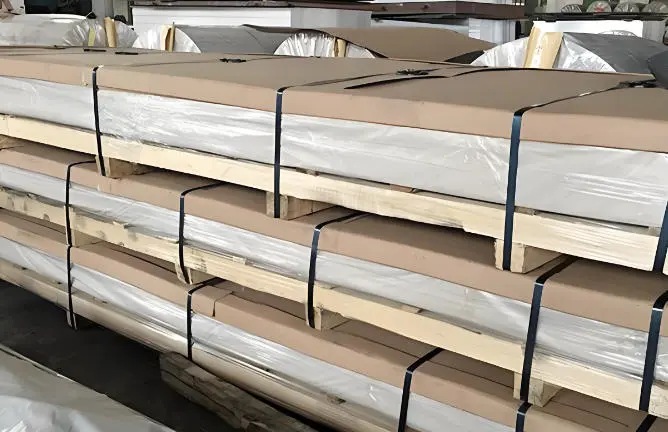
Export packaging directly affects product condition after long-distance shipping. Weak packaging often leads to moisture damage, scratches, or edge deformation.
Good export packaging normally includes:
Wooden pallets
Waterproof plastic wrapping
Anti-moisture protection
Steel strip reinforcement
Corner protection
Professional aluminum sheet exporters also label each package with alloy, temper, thickness, and batch information for easier warehouse management.
Check Supplier Experience And Production Capacity
Choosing the right supplier is just as important as checking the product itself. Experienced manufacturers usually have:
Stable export experience
Complete inspection process
Large inventory sizes
Customized cutting capability
Faster delivery schedules
Before cooperation, buyers should review factory photos, production lines, customer cases, and export history. Communication efficiency also matters during long-term purchasing cooperation.
As an experienced aluminum sheet manufacturer, Xuntai Aluminum supplies various grades including 1060, 3003, 5052, and 6061 aluminum sheets for industrial, construction, transportation, and fabrication applications. Customized sizes, protective film options, and export packaging are available according to project requirements.