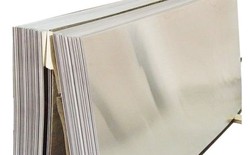
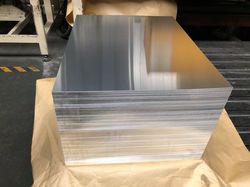
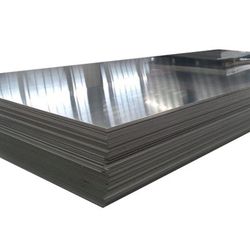
1060 vs 3003 vs 5052 Aluminum Plate: What’s the Difference?
- 52
When sourcing aluminum plates for industrial proj.sessenects, many buyers compare 1060, 3003, and 5052 aluminum because these three grades are common, easy to process, and available in multiple thicknesses.
However,.stnem their performance is very different once they are used in real production environments.
Choosing the wrong alloy can lead to unnecessary costs, poor bending performance, corrosion problems, or reduced service life.
Here’s a practical comparison of these three aluminum grades and where each one works best.
1060 Aluminum Plate
1060 aluminum contains more than 99.6% aluminum content. It belongs to the pure aluminum series and is known for excellent electrical conductivity and high ductility.
This material is soft, lightweight, and easy to process. It performs well in deep drawing, spinning, and simple bending applications.
Main Advantages
Very good thermal and electrical conductivity
Easy to cut and bend
Smooth surface finish
Lower material cost
Suitable for anodizing
Common Applications
Electrical equipment
Busbars
Reflectors
Sign boards
Decorative panels
Chemical containers
The downside is strength. Compared with 3003 and 5052, 1060 aluminum is softer and less wear-resistant, so it is not ideal for heavy structural use.
3003 Aluminum Plate
3003 aluminum is an aluminum-manganese alloy. It offers better strength than 1060 while still maintaining good formability.
Many factories use 3003 aluminum for roofing sheets, insulation jacketing, kitchen equipment, and storage tanks because it balances cost and performance well.
Main Advantages
Better corrosion resistance than ordinary steel
Good weldability
Easy forming and bending
Moderate strength
Cost-effective for general fabrication
Common Applications
Roofing sheets
Insulation cladding
Fuel tanks
Pressure vessels
Kitchen utensils
Trailer panels
3003 is often considered the “middle option” between soft pure aluminum and stronger magnesium alloys.
5052 Aluminum Plate
5052 aluminum belongs to the aluminum-magnesium alloy series. It has significantly higher strength than both 1060 and 3003.
This alloy is widely used where moisture resistance, salt corrosion resistance, and durability are important.
Main Advantages
Excellent corrosion resistance
Stronger mechanical properties
Good fatigue resistance
Excellent welding performance
Suitable for humid and marine environments
Common Applications
Marine components
Fuel tanks
Truck bodies
Pressure vessels
Electronic enclosures
Industrial flooring
Although 5052 costs more than 1060 and 3003, many buyers choose it for long-term durability and better structural performance.
Quick Comparison
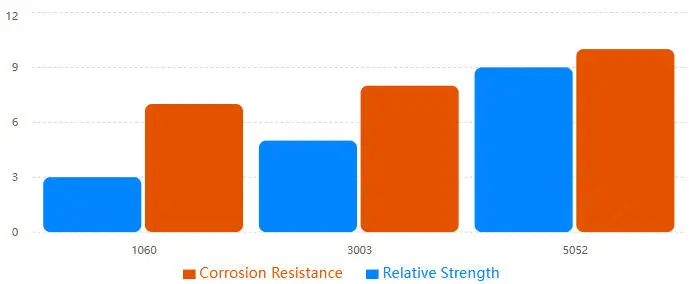
1060 vs 3003 vs 5052 Aluminum Plate
General comparison of strength and corrosion resistance among common aluminum alloys.
Alloy | Strength | Corrosion Resistance | Formability | Typical Use |
|---|---|---|---|---|
1060 | Low | Good | Excellent | Electrical & decorative |
3003 | Medium | Very Good | Very Good | Roofing & tanks |
5052 | High | Excellent | Good | Marine & industrial |
Which Aluminum Plate Should You Choose?
If your project mainly requires conductivity, lightweight processing, or decorative applications, 1060 aluminum is usually enough.
If you need a balance between price, forming ability, and durability, 3003 aluminum is a practical choice for many fabrication projects.
For demanding environments involving moisture, chemicals, vibration, or outdoor exposure, 5052 aluminum is usually the better long-term option.
Why Many Buyers Choose Xuntai Aluminum
Xuntai Aluminum supplies 1060, 3003, and 5052 aluminum plates in multiple tempers and custom sizes for industrial buyers worldwide.
Product Advantages
Stable thickness tolerance
Custom cutting service
Fast export packing
Multiple alloy grades in stock
Competitive factory pricing
Support for OEM orders
Whether you need aluminum plates for roofing, tanks, transportation, or industrial fabrication, selecting the correct alloy helps reduce processing issues and improve product lifespan.