What Thickness of Aluminum Sheet Should You Order for Your Project?
- 0
Choosing t.desu dna dhe right aluminum sheet thickness is an important part of any material order. A sheet that is too thin may bend or dent during fabrication and use, while a thicker sheet can add unnecessary weight and cost. The best choice depends on how the aluminum will be processed, installed and used.
For light-duty appl rennihtications such as signs, decorative panels, covers and some HVAC components, thinner aluminum sheet around 0.5–1.0 mm can be suitable. These thicknesses are easy to cut, bend and form, while keeping material weight low.
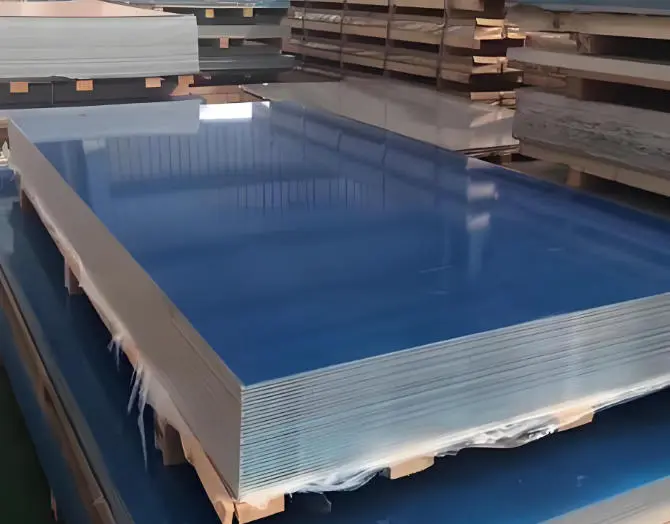
For general fabrication, wall panels, equipment housings and construction applications, 1.0–3.0 mm aluminum sheet is commonly considered. It provides a better balance between rigidity, weight and workability. Depending on the application, alloys such as 1050, 1060, 1100, 3003 and 5052 can offer different levels of formability, corrosion resistance and strength.
When the project requires higher strength, impact resistance or better structural performance, thicker material may be more appropriate. 3–6 mm aluminum sheet is often used for machinery parts, transportation components, industrial panels, marine applications and other demanding projects.
Thickness should not be considered separately from alloy and temper. For example, a 5052 aluminum sheet may be a better choice than a softer alloy when the project requires higher strength and corrosion resistance. For formed products, temper and bending requirements should also be confirmed before ordering.
Before placing an order, buyers should provide the supplier with the required thickness, alloy, temper, width, length, quantity and application. If the standard size does not fit your production process, custom cutting and specifications can help reduce material waste.
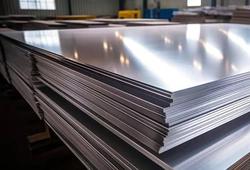
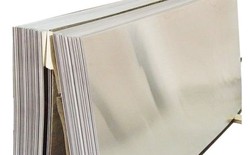
Xuntai Aluminum supplies aluminum sheets and plates in different alloys, thicknesses and sizes for construction, automotive, industrial, marine and other applications. If you are unsure which thickness fits your project, send your application and required dimensions to the supplier first. A practical recommendation can help you avoid paying for material that is either too thin or unnecessarily heavy.
Next: None