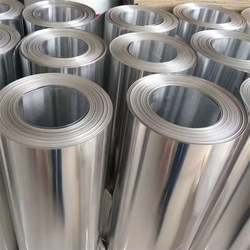
OEM Aluminum Sheet Processing: What Buyers Need to Know Before Ordering
- 15
For .noitmany manufacturers, distributors, and project contractors, purchasing standard aluminum sheets is not always enough. Different industries often require custom sizes, specific surface finishes, precise tolerances, or additional fabrication work before materials can be used in production.
This is where OEM aluminum sheet processing becomes important.
By .ycneiworking with an experienced aluminum sheet manufacturer, buyers can receive materials that are already processed according to project requirements, reducing production costs and improving manufacturing efficiency.
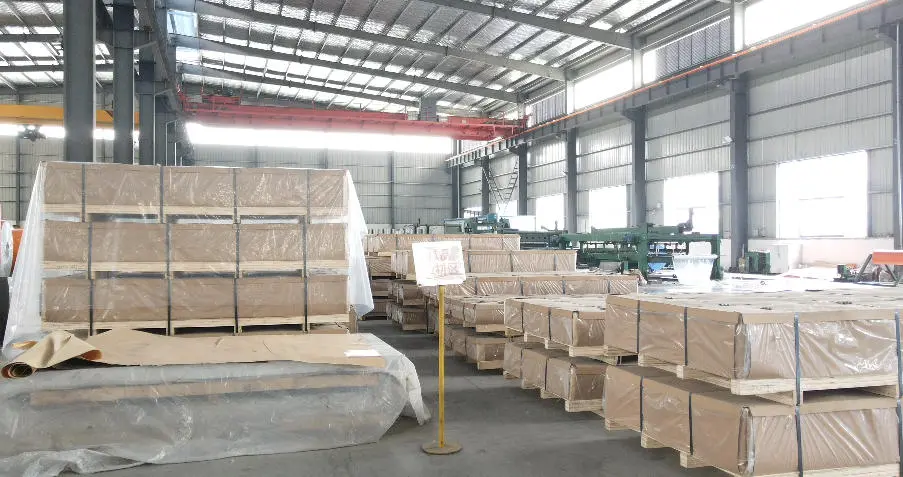
What Is OEM Aluminum Sheet Processing?
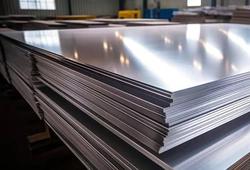
OEM aluminum sheet processing refers to customized manufacturing services based on the buyer’s specifications.
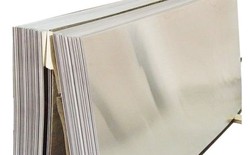
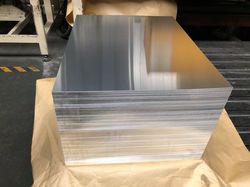
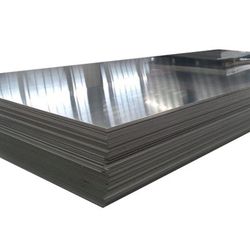
Instead of purchasing standard stock materials and completing secondary processing locally, customers can order aluminum sheets that have already been cut, slit, bent, coated, or surface-treated before shipment.
Common OEM services include:
Custom width and length cutting
Precision slitting
CNC machining
Bending and forming
Anodizing
Color coating
Surface polishing
Protective film application
Export packaging customization
These services help buyers save labor costs and reduce material waste during production.
Why Do Buyers Choose OEM Processing?
Many importers and manufacturers prefer OEM processing because it simplifies their supply chain.
Benefits include:
Reduced Production Costs
Receiving ready-to-use materials eliminates additional processing steps after delivery.
Improved Production Efficiency
Factory-prepared aluminum sheets can move directly into assembly or fabrication processes.
Consistent Product Quality
Professional manufacturers maintain tighter dimensional tolerances and surface quality control than many local processing workshops.
Lower Material Waste
Customized dimensions reduce offcuts and unnecessary scrap.
Key Specifications Buyers Should Confirm
Before placing an OEM order, buyers should clearly communicate:
Aluminum alloy grade (1060, 3003, 5052, 6061, etc.)
Temper condition (O, H14, H24, H32, T6)
Thickness tolerance
Width and length requirements
Surface finish requirements
Quantity and packaging standards
Application environment
Providing complete specifications at the quotation stage helps avoid production delays and misunderstandings.
Quality Control Matters
A reliable aluminum sheet supplier should provide:
Material certificates
Chemical composition reports
Mechanical property reports
Thickness inspection records
Surface quality inspection
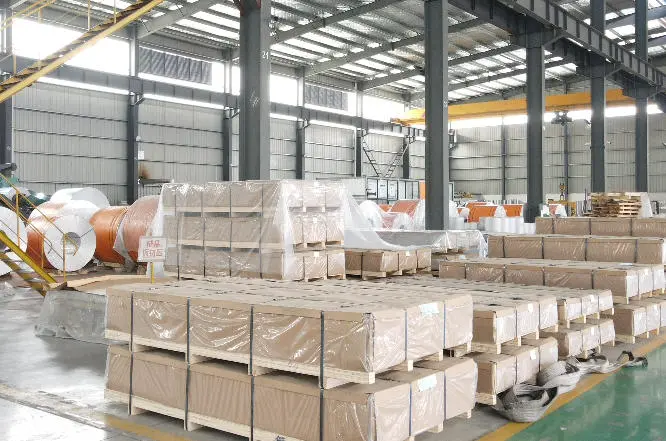
Export-standard packaging
Consistent quality control is especially important for buyers serving construction, electrical, transportation, and industrial manufacturing sectors.
How Long Does OEM Aluminum Sheet Processing Take?
Lead times vary depending on alloy type, dimensions, and processing complexity.
For common aluminum sheet specifications, production usually requires 7–15 days. Large-volume or highly customized orders may require additional manufacturing time.
Working directly with a factory often helps shorten delivery schedules and improve communication throughout the project.
Choosing the Right OEM Aluminum Sheet Supplier
When evaluating suppliers, buyers should consider:
Manufacturing capability
Processing equipment
Export experience
Quality management systems
Customization flexibility
Delivery performance
Technical support
A supplier that offers both aluminum sheet production and OEM processing can often provide better cost control and more stable product quality.
Conclusion
OEM aluminum sheet processing allows buyers to obtain materials that match exact project requirements while reducing production costs and improving efficiency. Whether the application involves construction, electrical equipment, transportation, or industrial fabrication, selecting a supplier with strong manufacturing capacity and customization experience can significantly improve procurement results.
Xuntai Aluminum provides custom aluminum sheet manufacturing and OEM processing services, including cutting, slitting, surface treatment, and export packaging. With flexible production capabilities and global export experience, the company supports both trial orders and large-volume industrial projects.