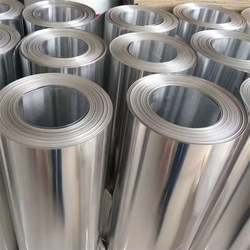
what is the difference between 1060 and 1100 aluminum sheet?
- 29
Both 1060 .ytilauq tcand 1100 belong to the pure aluminum series and are widely used in industry because of their good corrosion resistance, easy processing, and stable performance. Many buyers think they are almost the same, but in actual use, the differences can affect production cost and product quality.
Choosing the right grade depends on whether your project focuses more on conductivity, strength, or forming performance.
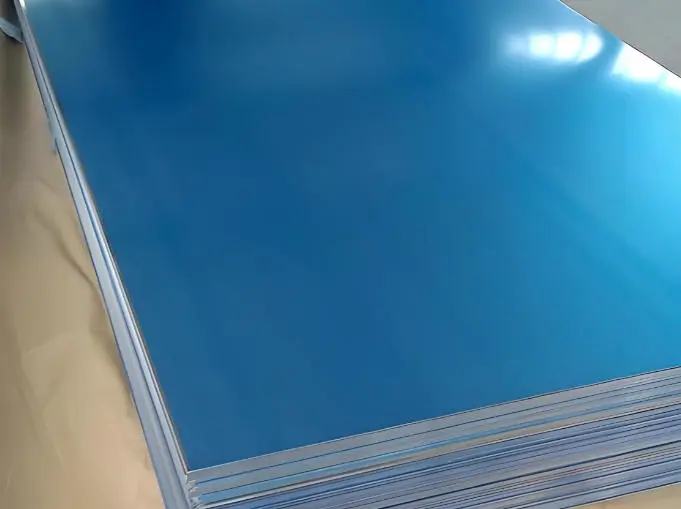
Chemical Composition Difference
1060 aluminum sheet contains at least 99.6% aluminum, which means it has higher purity. Because of this, it offers better electrical conductivity and thermal conductivity.
1100 aluminum sheet contains at least 99.0% aluminum. It includes a small amount of copper, which improves strength slightly compared with 1060.
If the project requires higher conductivity, 1060 is usually the better option.
Mechanical Properties Comparison
Although both materials are soft and easy to process, 1100 aluminum sheet generally has slightly better tensile strength and better performance in deep drawing.
1060 aluminum sheet is softer and easier for bending, stamping, and welding, especially in products where conductivity is more important than structural strength.
For products like electrical connectors or battery parts, 1060 is often preferred. For kitchenware or decorative stamping parts, 1100 may be more suitable.
Typical Applications
Common Uses of 1060 Aluminum Sheet
Electrical busbars
Battery soft connections
Transformer components
Sign boards
Chemical storage tanks
Power distribution equipment
Because of its high conductivity, 1060 is widely used in electrical and power industries.
Common Uses of 1100 Aluminum Sheet
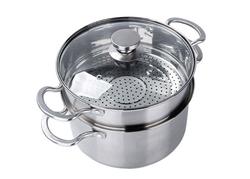
Cookware and kitchen utensils
Heat exchangers
Roofing sheets
Decorative panels
Food processing equipment
Chemical handling containers
1100 is often selected for products that require good forming ability and surface finish.
Price Difference
From the purchasing side, price is always important.
In most cases, 1060 aluminum sheet is slightly more competitive in price for large industrial orders, especially for electrical applications.
1100 aluminum sheet may cost a little more depending on temper, thickness, and surface treatment, especially when used for fabricated products with higher forming requirements.
However, the final cost should also consider processing efficiency and product life, not only the raw material price.
How to Choose the Right One
If your project requires:
higher electrical conductivity
better thermal conductivity
lower material cost for bulk production
then 1060 aluminum sheet is usually the better choice.
If your project needs:
better strength
improved deep drawing performance
decorative appearance
cookware or roofing applications
then 1100 aluminum sheet may be the better solution.
Reliable Supply Matters
For overseas buyers, selecting the right alloy is only part of the job. Stable quality, accurate thickness tolerance, export packaging, and delivery time are equally important.
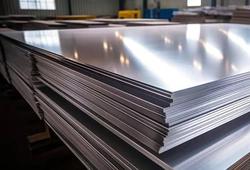
Xuntai Aluminum supplies both 1060 and 1100 aluminum sheets with custom width, thickness, and temper options for customers worldwide. Whether for electrical manufacturing or industrial fabrication, consistent quality helps reduce production risks and purchasing costs.
Understanding the real difference between 1060 and 1100 aluminum sheet helps buyers make better decisions and avoid unnecessary replacement costs later.